

HORMONE HEALTH
Balancing hormones
PMS, stubborn acne, low energy or persistent mood changes can all be signs of hormone imbalance, but the picture is rarely straightforward.
We help you understand what’s driving your symptoms and create a clear path to balance your hormones.
IRREGULAR CYCLES
•
PAINFUL PERIODS
•
ACNE
•
PMDD
•
MOOD SWINGS
•
PMS
•
ENDOMETRIOSIS
•
PCOS
•
FATIGUE
•
IRREGULAR CYCLES • PAINFUL PERIODS • ACNE • PMDD • MOOD SWINGS • PMS • ENDOMETRIOSIS • PCOS • FATIGUE •
When your hormones are off, the whole body feels it
“Hormonal symptoms don’t exist in isolation. Insulin, cortisol, thyroid function and gut health all feed into the picture - and disruption in one system often drives imbalance in another.
High insulin, for example, can elevate testosterone and drive PCOS symptoms. Oestrogen can become dominant not necessarily because the body is making more, but because it may not be clearing from the body properly - which is where the gut comes in.
That’s why we always start by understanding what's driving your symptoms beneath the surface.”
- Caroline Atkinson, Peach Practitioner & Women’s Health Specialist

No more
guesswork
“My PMS is now non-existent to the point that my period took me by surprise. Brain fog is completely gone and my skin is so much improved. I’m feeling so much brighter and back to my pre-baby self.”
- Fran, 31

We investigate deeper than hormone levels
DUTCH
test
Comprehensive hormone mapping
30+ markers
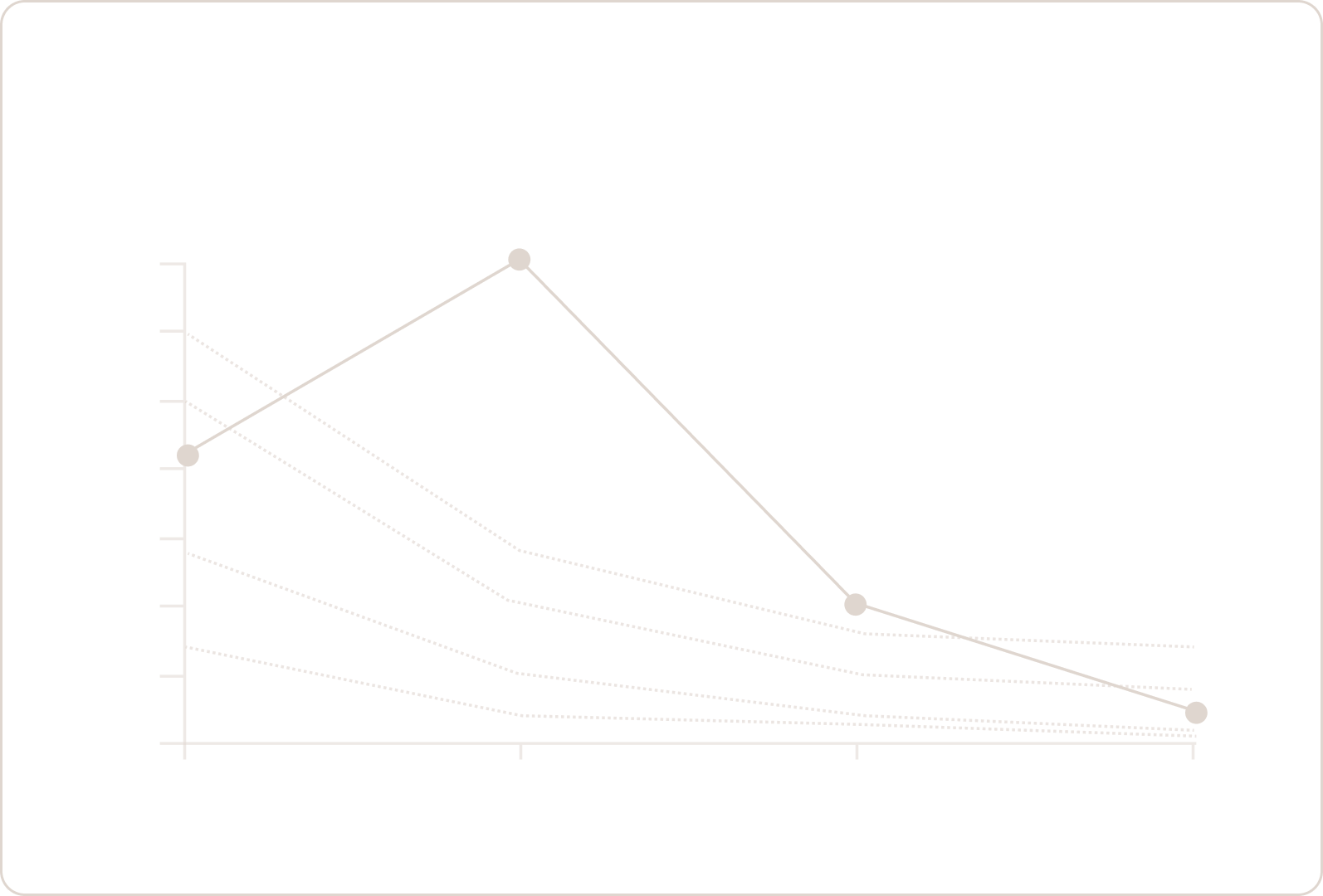
Standard blood tests measure total hormone levels at a single point in time instead of looking at how your body is actually processing them. That's why they often return 'normal' results even when you know something isn't right.
For hormone-related symptoms, we often use the DUTCH test to measure how your body breaks down and clears hormones, so we can more accurately see what's causing your symptoms. This approach is particularly valuable for conditions like PCOS, PMS or PMDD, endometriosis and irregular cycles.
Depending on your individual needs, we may also look at thyroid hormone markers, adrenal function and blood sugar, including insulin.
We work directly with partner labs, so we’re also able to offer many tests at preferential rates for Peach clients.
Hormone health is more than hormones
For many women, hormonal contraception is a common first-line treatment when symptoms become difficult to manage. It can provide relief, but often masks the underlying issues instead of addressing them, and it doesn't always explain why symptoms are appearing in the first place.
For example, the gut plays a central role in how hormones leave the body. When that pathway is disrupted, hormones can be reabsorbed, contributing to symptoms. Blood sugar and insulin are equally important, as is the liver's ability to process hormones efficiently.
We take all of this into account to support the wider system so that it’s working for you, not against you.
Skip the guesswork.
Understand what’s really going on.

“The changes we discussed have completely changed my hormones. Period pains are way less, everything felt so much more manageable when I would usually suffer from PMS - just amazing - revolutionary!”
- Philippa, 31

“Through working with Flora, long-term acne issues have completely cleared up, my energy levels have risen, my mood has improved, my cycle has become regular and I’ve been able to exercise more.”
- Anna, 19
Book a free discovery call to explore what may be driving your symptoms and whether Peach is the right fit for you.
Get a free 7-day hormone rebalance plan
If you’re feeling tired no matter how much you sleep, struggling with mood swings, or finding your energy crashes mid-afternoon - your hormones may be out of balance.
Our free 7-day plan, designed by our nutritionists, gives you simple, science-backed steps to start feeling more energised, focused, and in tune with your body again.
Your top questions, answered
-
Hormone imbalance occurs when hormones are produced in excess or deficiency, or when the body struggles to regulate or metabolise them effectively. Common contributing factors include chronic stress, under-fuelling, blood sugar dysregulation, gut health issues, inflammation, poor sleep, and life stages such as perimenopause.
Symptoms can include irregular periods, PMS, acne, weight changes, low energy, mood changes, and disrupted sleep. Nutrition and lifestyle play a foundational role in supporting hormonal balance.
-
Yes. Nutrition is a core part of PCOS support. Evidence-based nutrition strategies can help improve insulin sensitivity, support ovulation, reduce inflammation, and manage symptoms such as irregular cycles, acne, and energy fluctuations.
PCOS nutrition is not one-size-fits-all - it’s about personalised dietary support that works with your physiology, preferences and lifestyle rather than extreme or restrictive approaches.
A personalised nutrition approach focuses on identifying root causes, supporting digestion, and improving gut function rather than relying on long-term restriction. For many clients, this leads to sustainable symptom relief rather than short-term fixes.
-
Nutrition can play a meaningful role in symptom management. Targeted dietary strategies may help reduce inflammation, support gut and immune health, and stabilise blood sugar - all of which can influence pain, fatigue and digestive symptoms commonly experienced alongside endometriosis.
Our approach focuses on supporting the body alongside medical care, not replacing it.
-
Hormone testing is always personalised and based on symptoms, health history and goals. Where appropriate, we may recommend testing that looks at patterns in key hormones rather than single snapshots.
This can include sex hormones such as oestrogen, progesterone and testosterone, as well as stress hormones like cortisol and relevant thyroid markers.
In some cases, we use the DUTCH Test (Dried Urine Test for Comprehensive Hormones), which provides insight into how hormones are metabolised in the body including assessment of adrenal health and some understanding of nutrient status via testing organic acids. This can be particularly helpful for understanding hormone patterns in areas such as PMS, PCOS, perimenopause and menopause.
Testing helps us move beyond a diagnosis and provides guidance for explaining an individual's symptoms, which allows us to provide targeted nutrition, lifestyle and supplement recommendations.